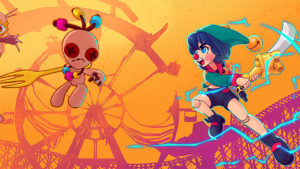
D-Topia is a puzzle adventure game that takes place in the far future, inside the titular utopian residential community built around maximising human happiness and comfort. Players take on the role of the newly arrived Facilitator whose job is to help people around the community through logic puzzles and game-changing choices.
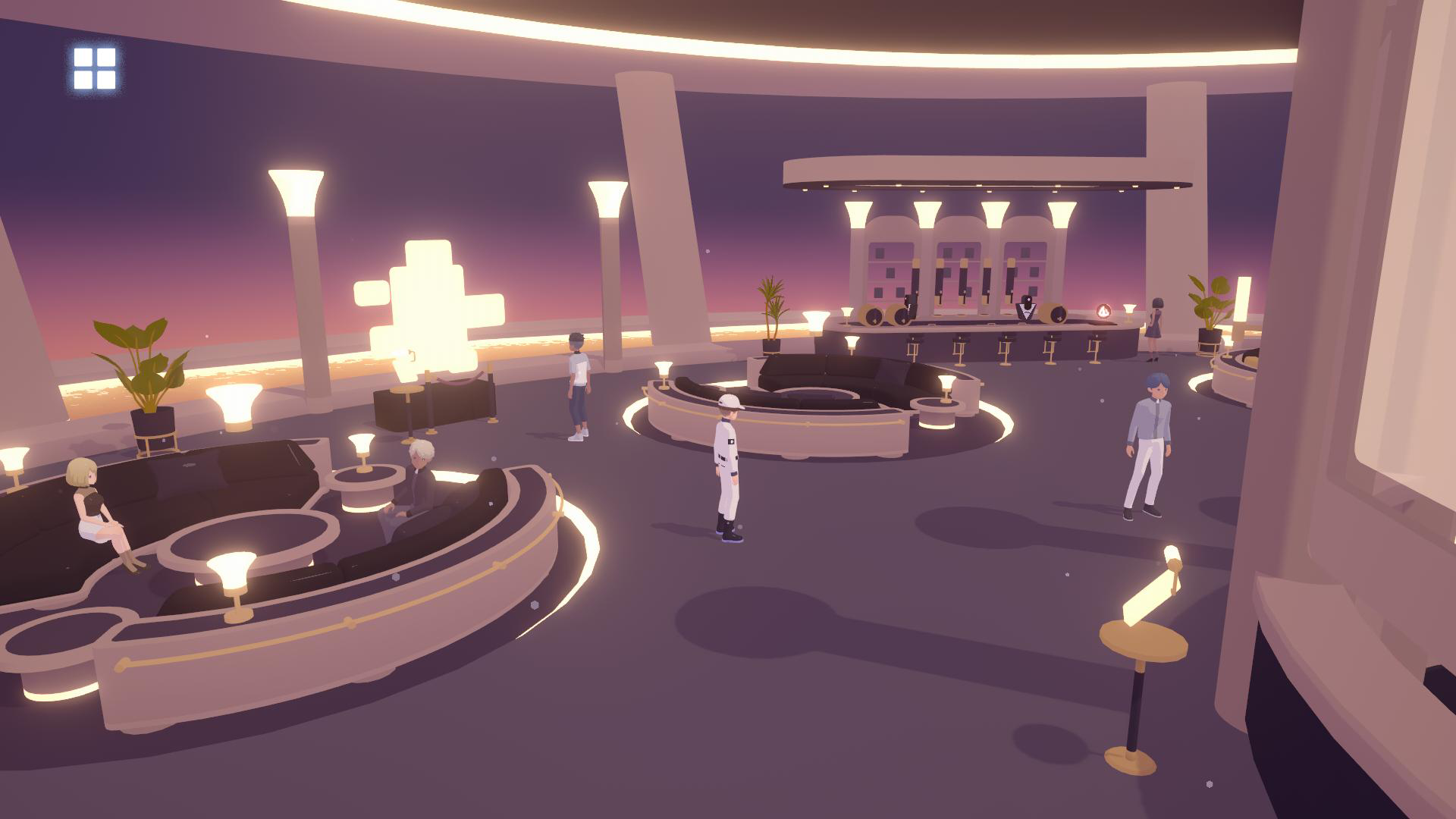
The first thing that immediately stands out is just how charming the world looks. D-Topia’s cool blue palette blends beautifully with soft lighting and rounded futuristic architecture, using gentle natural touches to help the world feel inviting. The main cast of characters also have a lot of personality in their models and animations, with memorable silhouettes and details that help accentuate their personality through an anime-inspired approach to their anatomy.
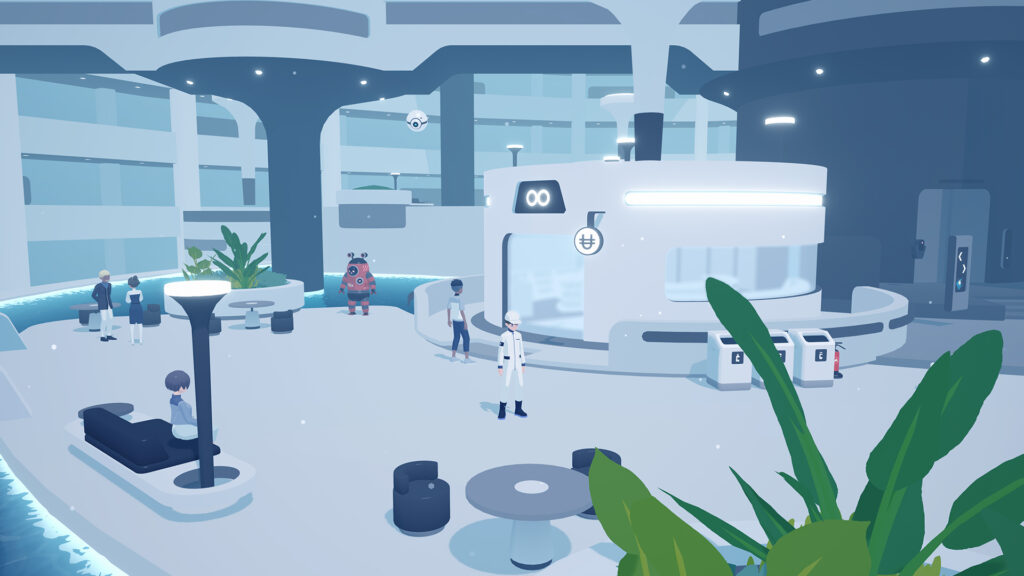
D-Topia’s cool blue palette blends beautifully with soft lighting and rounded futuristic architecture, while the gentle natural touches help the world feel inviting.
The game’s core loop is divided into days, where you must wake up, get to work, and help people around the community. The twist to this loop is introduced in the form of the block world. There are terminals that you can interact with, which drop the facade and reveal the dull machinery holding the illusion together. The story calls this the optimisation system, shielding its residents from the mechanical reality of their utopian paradise.
This block world feels like a realm of its own where everything feels less polished. The drones that can be seen floating in the utopian world are held up by poles, with their rounded looks giving way to sharper edges. Mechanically, the block world allows you to repair and maintain different systems, almost like going behind the scenes of a Disney ride to get it working again.


The puzzles are so much fun to solve that I wouldn’t mind seeing them in a standalone mobile game
The gameplay is mostly centred around a variety of logic puzzles. The puzzles are so much fun to solve that I wouldn’t mind seeing them in a standalone mobile game, where all you do is solve these numerical puzzles. Not to mention, they are so competently designed that I naturally learned how to do them without having to even read the rules.
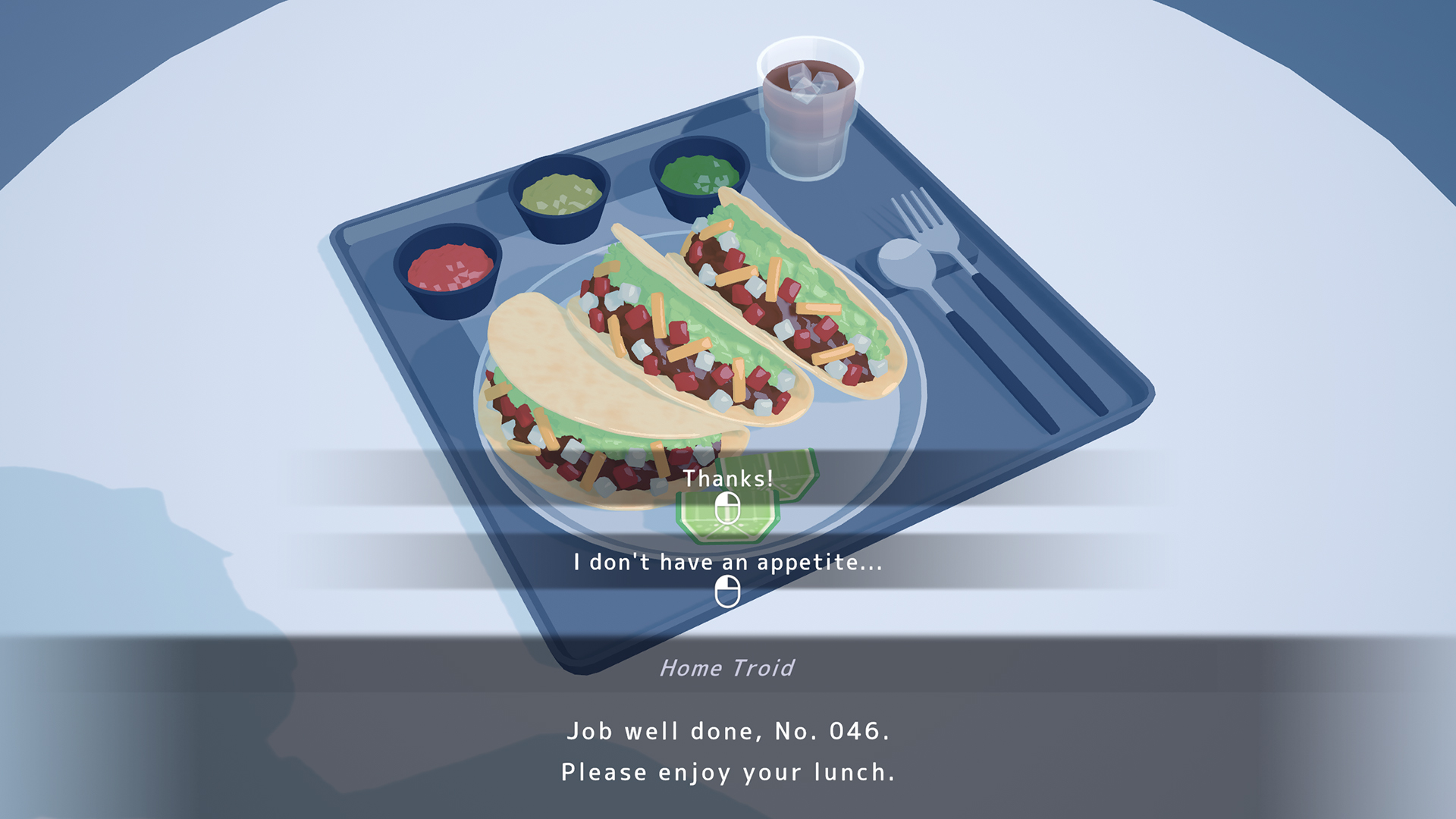
The game rewards you with currency when you complete work and help people. You can use it to buy different items from shops, such as food or decorations for your living space. Food is an important part of the game, with your hunger replacing traditional health meters. When you progress through parts of the day, this meter drops, and you have to eat in order to get your energy back. Some items like the energy drink also give gameplay boosts like increased run speed, helping you get around quicker.
You can either buy food from vendors or find it ready for you at home for breakfast, lunch and dinner. This makes your home a worthwhile detour after work, and I found myself going back just to see what was on the menu due to how appetising the food looks in game.
The main cast of characters in D-Topia are the beating heart of this game, with their struggles, ambitions and insecurities driving the plot. There wasn’t a single character that I didn’t love in this game and I found them all to be very memorable and well written, where each of them had a dream that seems to have naturally formed out of the hardships they have endured in the past and out of their passions in life.
The bond system is kind of similar to what is available in games like Stardew Valley, where the more you interact with someone, the more hearts you fill. What’s challenging here is that your dialogue choices matter, and picking the best options can help you fully win over someone. An aspect that makes it work so well is that these choices don’t seem random, and I was able to pick the best dialogue by paying attention to the characters and their personality, where just like in real life, the better you understand someone, the closer you can get to them.
The hearts also serve as a milestone tracker, with a certain point unlocking their appearance in the Tea Room, a zen space where you can virtually hang out with someone to learn more about them.
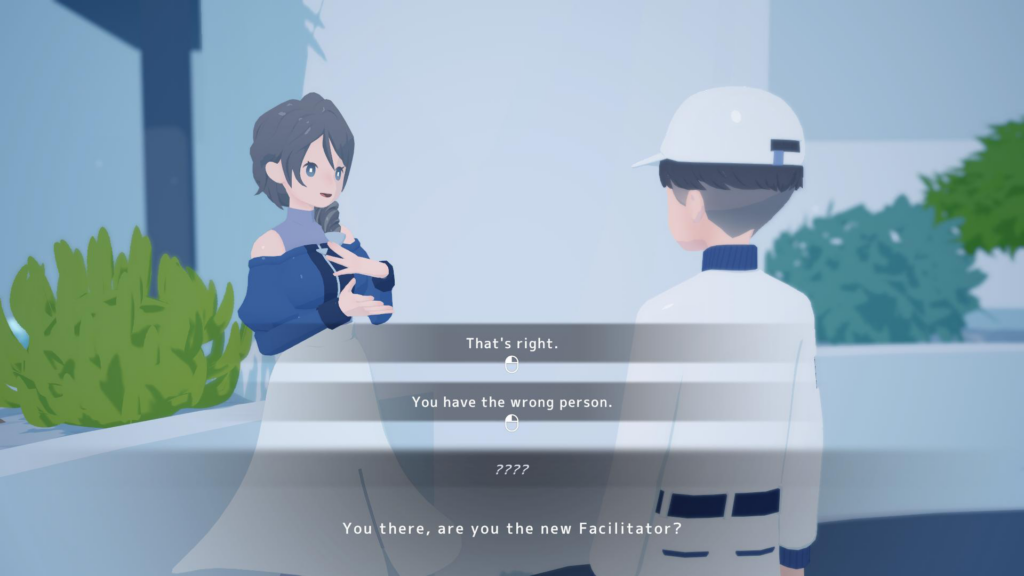
The main cast of characters in D-Topia are the beating heart of this game, with their struggles, ambitions and insecurities driving the plot.
The story’s core theme to me was about belonging. Whether through external prejudices by a society that doesn’t fully accept them or through their own internal conflicts, each character has doubts about themselves and their place in this “perfect” utopia. Whether or not they feel like they belong or are accepted is entirely up to you, as the major choices you make can set them on different paths, resulting in different endings.
The way you make these major choices is the game’s standout feature, and something I haven’t seen before. Essentially, you navigate a flow chart that helps you drill down into the choice you want to make through a series of recaps and reasoning. In order to get the best ending, players will have to maintain their bonds and make the choices that help these characters grow meaningfully.
The controls are mostly good, but there are some odd choices such as having the confirm and skip scrolling button be the same.
D-Topia is meant to be a cozy experience, so the story beats are relatively quaint. Sure, there are some alarming events that happen within the story but they aren’t bombastic, which allows players to progress at their own pace without feeling overwhelmed. Whilst I would have loved to see the game delve more into the horror of the block world, I can appreciate that it’s not the experience the devs were going for.
There are some quality of life changes that could have made the game better, such as a fast travel system that lets you quickly move between different parts of the facility. This would have been especially useful when replaying the game to see different endings, or when searching for hidden mice around the block world.
The controls are mostly good, but there are some odd choices such as having the confirm and skip scrolling button be the same. There were quite a few times where I accidentally picked the wrong choice because I was tapping the button to go quickly through dialogue when playing with a controller. Also, the game recommends a controller but it felt better playing with a mouse and keyboard, as the menus and even puzzles felt more natural to control with a mouse, which is why it’s a shame that there are no meaningful keybinding options.
Final Thoughts
Centred around themes of belonging, D-Topia is a thoughtful puzzle adventure that finds its strength in well-written characters, fun puzzles and meaningful choices. While some minor quality of life issues and a serviceable story hold it back, they seldom take away from the cozy sci-fi adventure filled with personality and heart.
Review Summary
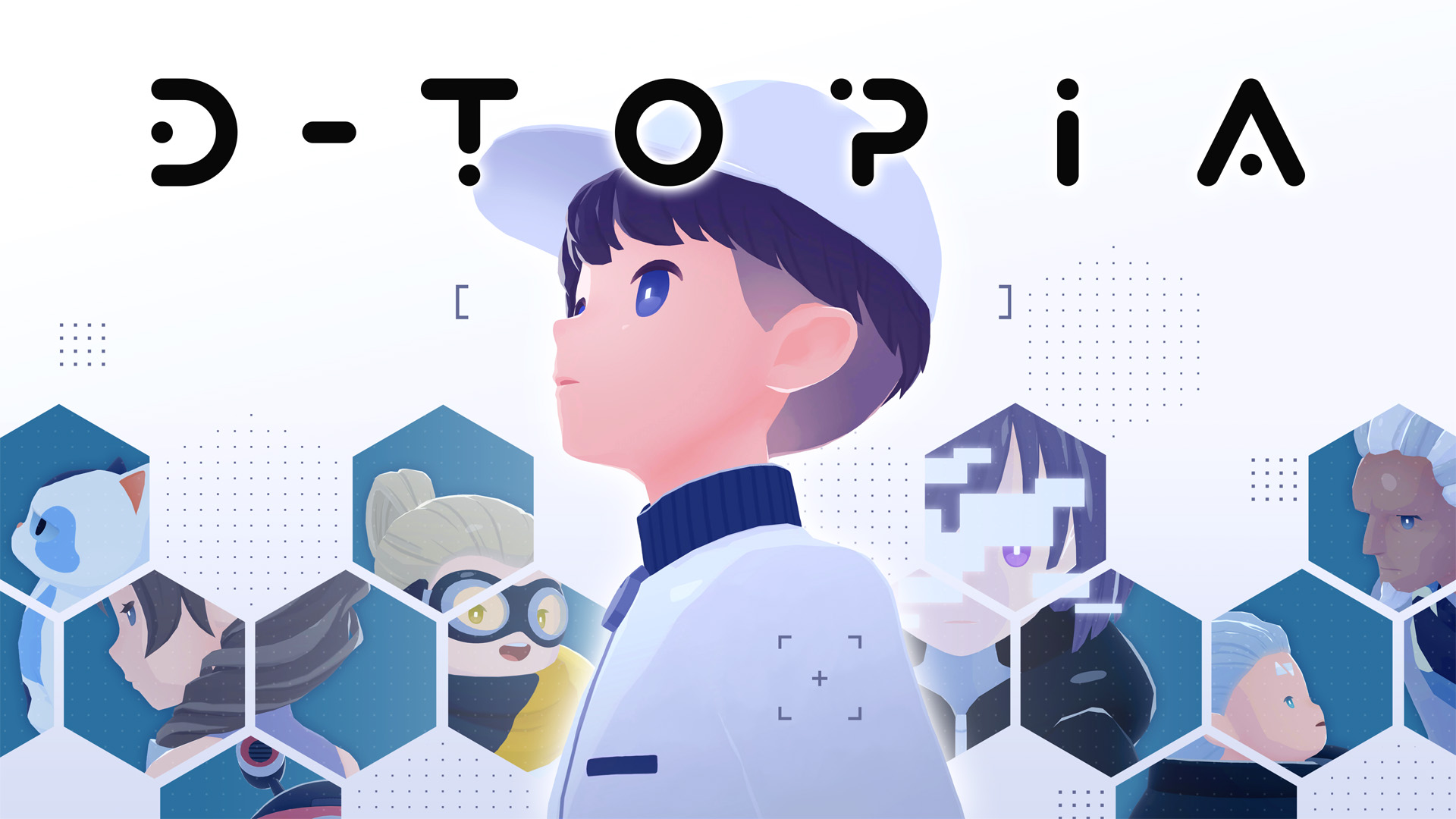
Centred around themes of belonging, D-Topia is a thoughtful puzzle adventure that finds its strength in well-written characters, fun puzzles and meaningful choices. While some minor quality of life issues and a serviceable story hold it back, they seldom take away from the cozy sci-fi adventure filled with personality and heart.
- The Striking Art Style Brings the World to Life
- Logic Puzzles Are Fun to Play and Addicting
- Strong Cast of Characters That Remain Memorable Even After the Credits Roll
- Choices Are Made in a Unique Way Not Seen in Games Before
- Good Replay Value to See All Endings
- Minor Quality-of-Life Issues
- Controls Can Be Awkward at Times With No Keybinding Options on PC