The one thing that caught my eye across various Resonance trailers was the game’s fluid looking combat. At a glance, it looked to be a polished and brutal experience with flashy finishers and weighty throws. After getting my hands on it, it was definitely better than I expected, but not quite at the level it should be.
Resonance is the latest game in the Plague Tale series, focusing on Sophia, the savvy smuggler we meet in Plague Tale Requiem. It serves as a prequel, showing Sophia’s journey that shapes her into the woman she becomes.
Although it’s nothing new, the combat itself is fun and includes various action game hallmarks like yellow/red glints, dodges and parries. What makes its combat standout, however, is the weight behind it which allows you to manipulate enemies and throw them into each other or off platforms. The hit reacts are satisfying, and the finisher animations transition cleanly from one state to the next, never getting in your way.
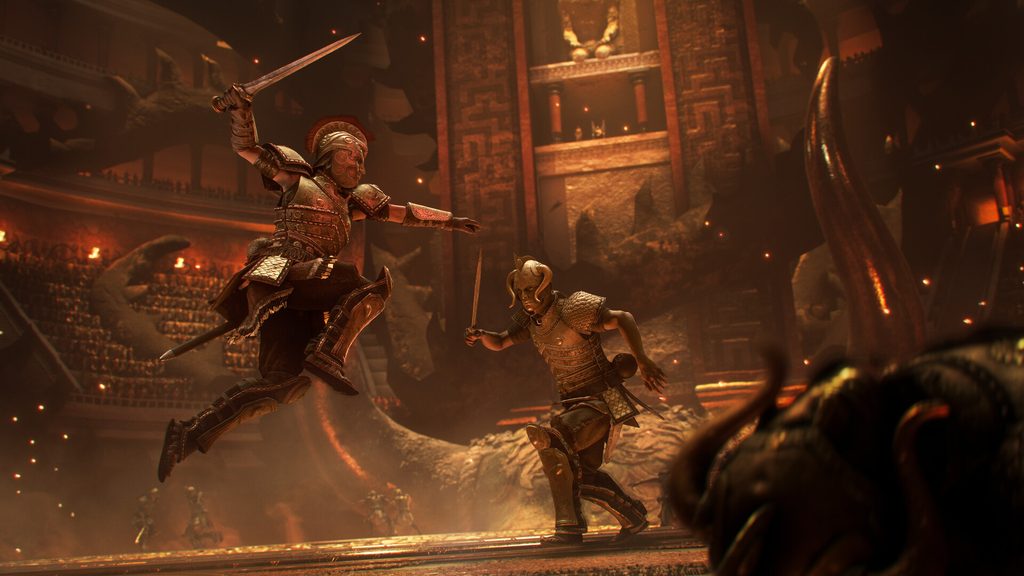
What makes its combat standout, however, is the weight behind it which allows you to manipulate enemies and throw them into each other or off platforms.
The execution behind it, however, seems a bit undercooked. There seems to be a lack of balance and care around the pacing of fights and enemy behaviour as the enemies tend to overwhelm you, often attacking in unison, barely giving you room to breathe or strategise. In fact, you will often see two enemies perform the same attack animation at once.
A golden tip I can give to anyone making a combat system as a combat designer myself is to give players some room with how enemies engage with you. It is an advice that Resonance should have taken to heart as the enemies are needlessly aggressive, even attacking you right as the cutscenes end, barely giving you time to react.
The game doesn’t really let you unlock every combat skill in a single playthrough, which doesn’t really make sense here since there very few skills to begin with, and non of them are powerful or unique enough to break the balance. In fact, by letting us unlock everything, it would have made the aggressive enemy AI more manageable.
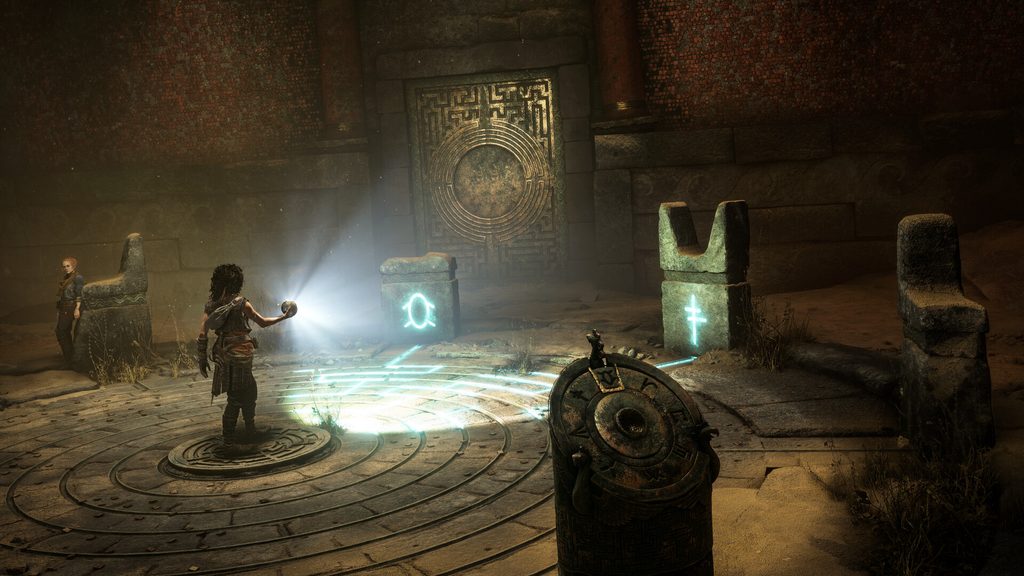
There seems to be a lack of balance and care around the pacing of fights and enemy behaviour as the enemies tend to overwhelm you, often attacking in unison, barely giving you room to breathe or strategise.
Upgrade points are also tied to Resonance Points, which are mostly found through exploration, with very few earned at the end of a combat encounter. This creates a mismatch between progression and playstyle, as combat upgrades should reward you for fighting rather than searching the environment.
Even some of the masteries behave in an underwhelming manner, for example, after unlocking the double kick, you can unlock a mastery that lets you push even unstunned enemies but when you do use it, they don’t get interrupted and manage to land an attack through it. A kick like this takes effort to execute by needing a double press which takes some time to trigger the second kick. Ideally, this attack should always interrupt an enemy, even if they are blocking.
Combat is an extremely hard thing to do right and you often need an experienced team of combat designers to get it right at this scale, so it is a bit confusing how they’ve nailed the harder part which is game feel, but struggled with the easier encounter designs.
The story itself is serviceable, with predictable twists and plots that bring you from point A to B. What grabs attention, however, is the premise of the game that sees Sophia travel to a cursed island in search of answers to her troubled past and the chance to find untold riches. It’s the same island that had taken her father and drove her guardian paranoid, so the stakes are personal for her.
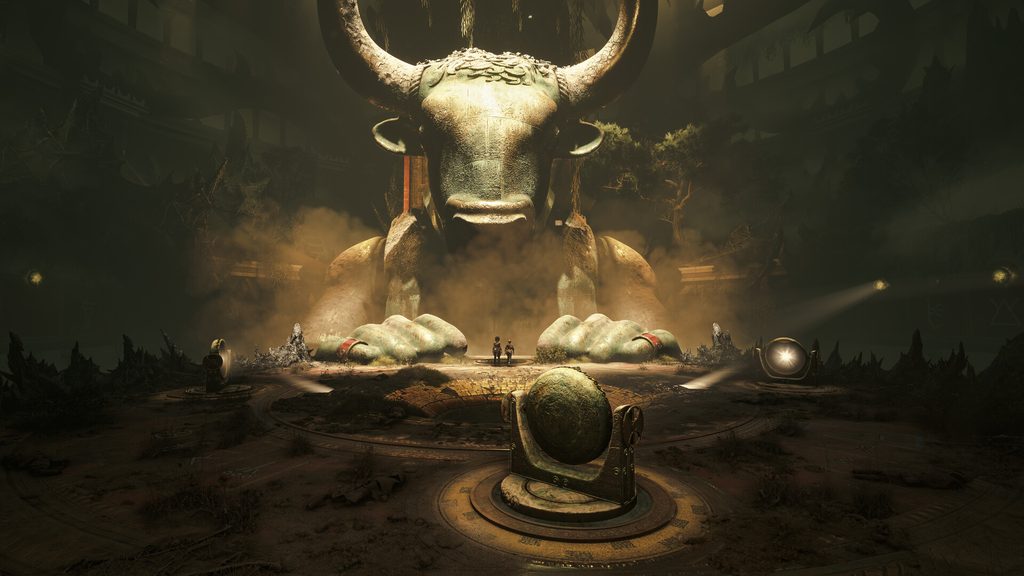
The story itself is serviceable, with predictable twists and plots that bring you from point A to B.
The interesting hook in the story and game is that you essentially play as two different characters, controlling Sophia in her own timeline, and a mysterious warrior in the past. Combined with the Island’s secret, it manages to make the opening hours of the game captivating.
Sadly, it never feels like it delivers on the mystery and tension with a lot of the reveals ending up formulaic. The Minotaur angle is perhaps the most disappointing of all. I was genuinely looking forward to seeing the monster the game repeatedly teases, only for it to turn out to be a disembodied tentacle.
I tend to call this the tentacle problem in movies and games, a cliche where developers rely on generic designs rather than a distinct terrifying creature. It often results in forgettable antagonists because the monsters lack a memorable presence. This naturally leads to them being used in repetitive gameplay loops.
It is exactly the same here, as all encounters with this “monster” are basically either chase or stealth sequences where you have to stay away from it. By the time I reached the same drawn-out chase for the third time, it had lost its appeal and become frustrating, especially since the game leaves barely any room for error. A single mistake can easily kill you and send you back to the last checkpoint.
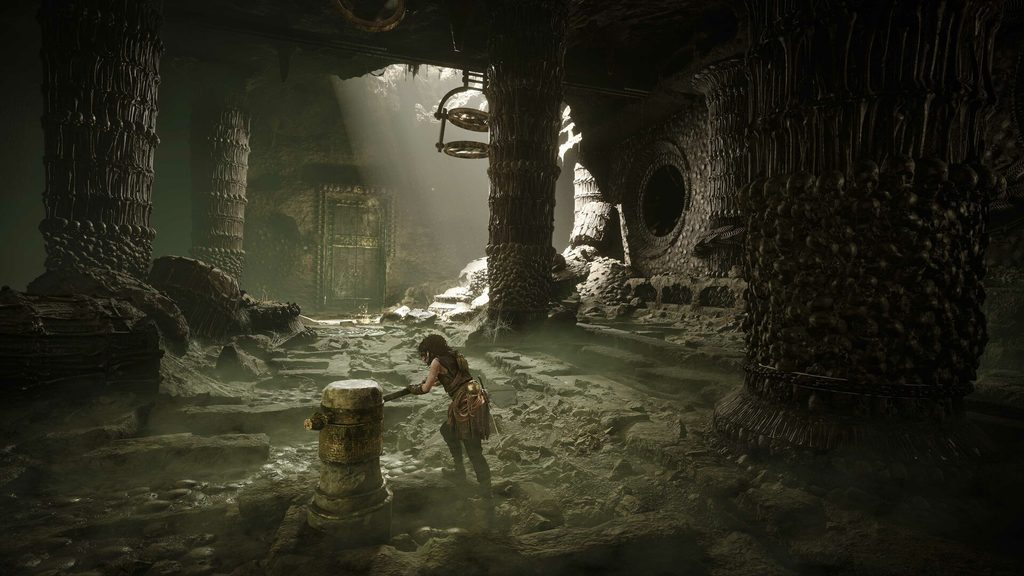
By the time I reached the same drawn-out chase for the third time, it had lost its appeal and become frustrating
To its credit, the game does deliver a clever twist around this. Early on, whenever you venture into dark areas, a trail starts lighting up behind you, covering Sophia in specs of light. Initially, it feels reassuring and the game gives you time to get comfortable with it. After the reveal, however, you discover that the light is actually what draws the monster towards you, flipping the script.
The user experience feels a bit disjointed in several areas as well. For example, the game encourages you to respec your skills to overcome tougher challenges, but it does not allow you to deselect them individually. Instead, you must reset everything and then reselect every skill you want to try. The platforming suffers from a similar issue. Although movement and scaling feels fluid, it sometimes demands more input than necessary. Jumping onto a wire should begin the zipline automatically, rather than requiring a separate button, or at the very least use the default interact button.
In our opinion, Deriviere is one of the finest composers of our time, having lent his immense talent to games like Dying Light 2, Alone in the Dark and the previous Plague Tale titles.
What really carries the experience aside from Anna Demetriou’s gripping performance as Sophia is Olivier Deriviere’s extremely memorable music. His themes weave eeriness together with an ethereal beauty from the beautiful vocals, adding real weight to the game’s cutscenes, giving an emotional hook that players can connect with.
In our opinion, Deriviere is one of the finest composers of our time, having lent his immense talent to games like Dying Light 2, Alone in the Dark and the previous Plague Tale titles. What separates him from many other composers is his understanding of the gameplay experience, allowing his score to evolve alongside it. I often joke with my friends that Deriviere is basically a talented game designer who loves to make music.
Visually, the game is an absolute treat to look at, with varied environments and detailed props that make the world feel lived in. There were quite a few moments where my jaw dropped due to how beautiful the game’s environments looked. In fact, it probably has the best lighting I have seen in game, which makes sense considering how much of a role light plays in this game.
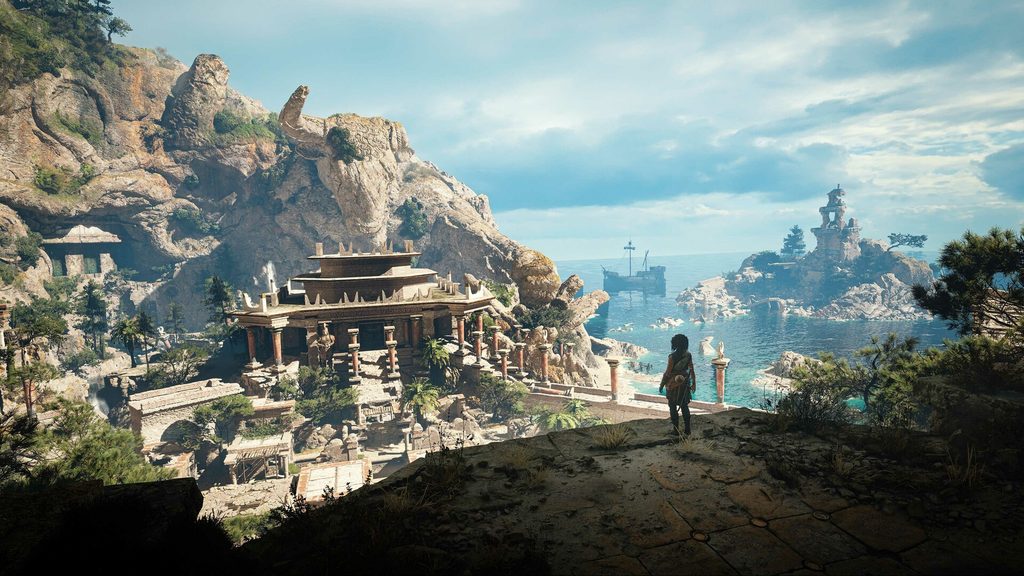
There were quite a few moments where my jaw dropped due to how beautiful the game’s environments looked.
There were some brief performance issues on the PC where the game might run into slight memory leaks, but they usually resolved after a scene reset. It was annoying but not even remotely enough to put me off.
Resonance A Plague Tale Legacu is an uneven adventure built around a genuinely enjoyable combat system, but lacking encounter design, underwhelming progression and repetitive chase sequences often fight against it. Although the predictable story and its payoff never quite earn Olivier Deriviere’s excellent score, Sophie’s journey is still worth taking, albeit at a discount.
Review Summary
Resonance A Plague Tale Legacu delivers satisfying combat, beautiful environments and an excellent score. However, aggressive enemies, weak progression and repetitive chase sequences prevent Sophia’s journey from reaching its full potential.
- Combat Feels Weighty And Responsive
- Olivier Deriviere's Excellent Score Carries The Game
- Anna Demetriou Excels As Sophia
- Breathtaking Visuals With Beautiful Lighting
- Combat Encounters Are Poorly Paced
- Underwhelming Progression System
- Repetitive Chase Sequences That Quickly Become Frustrating
- Predictable Story With a Lacklustre Ending